Staffordshire Local History: From Ancient Origins to Industrial Powerhouse
Staffordshire sits quietly at the heart of England, but its history is anything but quiet. Cathedral cities, coalfield communities, canal-side market towns and the world-famous Potteries all sit within a short drive of The Moat House, and each has a story worth knowing before you explore.
Ask most people what Staffordshire is known for and three things come up again and again: pottery, coal, and canals. But scratch the surface and you'll find a county that was once at the centre of Anglo-Saxon England, shaped the Industrial Revolution, and gave the world everything from fine bone china to the Spitfire.
What Staffordshire Is Known For
North Staffordshire became "The Potteries" - a cluster of towns that grew into the city of Stoke-on-Trent and exported the name "Staffordshire" around the globe on everyday tableware and finely decorated figurines. Josiah Wedgwood was the driving force here, turning small workshops into vast factories and leaving behind an industrial heritage still visible in surviving bottle ovens and museum collections today.
Coal mining fuelled that growth. North Staffordshire and Cannock Chase were major coalfields, supplying the kilns, ironworks and later the power stations that kept the region running. Close-knit mining communities grew up around the pits, and their working lives and traditions remain a vivid part of the county's story, preserved in old pit buildings, memorials, and oral history archives.
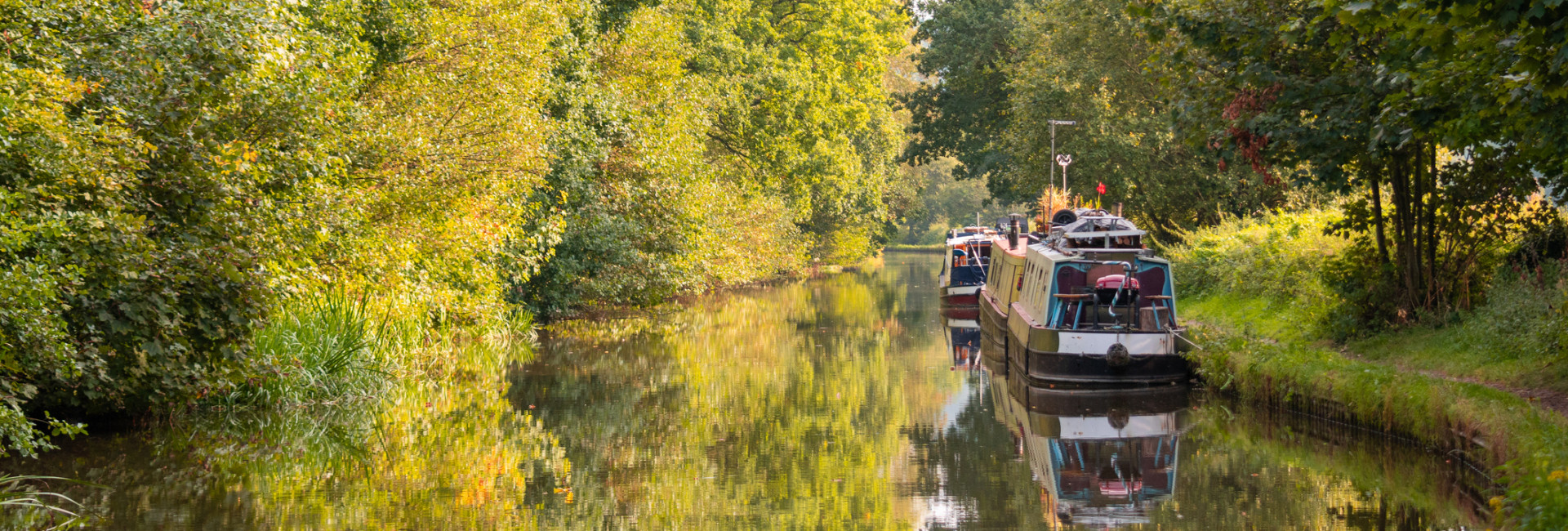
Transport tied it all together. The Trent and Mersey Canal and the Staffordshire and Worcestershire Canal turned a once-remote inland county into a key trading corridor, while the North Staffordshire Railway and main-line routes later connected Stafford, Lichfield, Stoke-on-Trent and Burton upon Trent to the rest of the country. If you fancy tracing some of that history on foot, a stretch of canal towpath is a peaceful way to spend an afternoon - and you'll find one just a short stroll from our own waterside grounds.
Older centres sit alongside this industrial story. Lichfield, with its medieval cathedral and literary links, and Stafford, the county town with its castle and ancient streets, both predate the factories by centuries. Burton upon Trent, meanwhile, built an international reputation on brewing, drawing on local well-water to create beers exported across the world.
Why Staffordshire Matters in English History
Staffordshire's significance comes from this combination of deep antiquity and dramatic change. The county sat at the heart of the Anglo-Saxon kingdom of Mercia, and its shire structure took shape in the early medieval period — from defensive burhs like Stafford, through the growth of market towns and monasteries, to a place at the political and religious core of England.
Lichfield was once one of the most important ecclesiastical centres in the country, at times the seat of an archbishop. Its cathedral, with its remarkable trio of spires, still anchors the city today and remains one of the most recognisable landmarks in this part of England.
Later, Staffordshire became something of a textbook case for the Industrial Revolution: large-scale pottery manufacture, expanding coal mining, ironworking and engineering, and a growing network of canals and railways transformed a largely rural county into a landscape of factories and collieries. Writers including Arnold Bennett captured that social change in their work, giving Staffordshire its own distinct place in English literature.
The county has produced (or shaped) a notable cast of figures:
- Josiah Wedgwood - pottery pioneer and industrialist
- Samuel Johnson - lexicographer and man of letters, born in Lichfield
- Izaak Walton - author of The Compleat Angler, associated with Stafford
- Reginald Mitchell - designer of the Spitfire, from Stoke-on-Trent
For historians, genealogists and local history enthusiasts, Staffordshire offers a genuine wealth of archives, parish records and historic buildings - a county that illustrates national themes of industrialisation and change while keeping a strong, distinctive sense of place.
Early Staffordshire: Origins and Settlement
Prehistoric and Roman Traces
Human activity here stretches back thousands of years, with the clearest prehistoric traces surviving in the upland and heathland areas. Burial mounds and earthworks on Cannock Chase and in the north of the county show that communities shaped this landscape long before written records began.
During the Roman period, Staffordshire's central location made it a corridor between the south-east and the north-west. Watling Street - roughly followed today by the A5 - ran across the south of the county, passing close to Wall, near Lichfield, where the remains of a small Roman town can still be seen. The Roman imprint here is more a network of roads and scattered sites than large cities, setting the stage for the Anglo-Saxon reshaping that followed.
Anglo-Saxon and Medieval Foundations
After Rome's withdrawal, the region became part of the powerful kingdom of Mercia. "Staffordshire" takes its name from Stafford, traditionally explained as "the ford by the landing-place" on the River Sow. In the early 10th century, Stafford was fortified as a burh to resist Viking incursions - a role that helped fix it as the county's central place.
By the late Anglo-Saxon period, the framework of hundreds, parishes and estates had begun to take shape, with Lichfield growing in importance as a religious and cultural hub. The Norman Conquest brought new lords, castles and patterns of landholding, and the Domesday Book of 1086 recorded the manors, villages and resources of the county, giving historians the first comprehensive picture of who held what land, and where.
Manors, Parishes and Market Towns
For much of the Middle Ages, Staffordshire was a patchwork of manors and rural parishes, with parish churches marking out spiritual and social boundaries much as some still do today - including the 800-year-old church in our own village of Acton Trussell, just a short walk from us. Alongside village life, market towns gradually developed: Stafford hosted courts and regular markets, Lichfield grew around its cathedral, and Burton upon Trent became both a religious and commercial hub thanks to its abbey and strategic river crossing. Particular specialisms began to emerge - Burton in brewing, Lichfield in ecclesiastical learning, and the north in early pottery production - setting the foundations for the industrial age to come.
Industry, Trade and Transport
Pottery and the Rise of the Potteries
By the 17th century, potters in north Staffordshire were already known for earthenware and stoneware, thanks to good local clay, ready coal, and access to markets via packhorse routes. During the 18th and 19th centuries, entrepreneurs like Josiah Wedgwood transformed that local craft into a global industry - introducing new production methods, building factory villages, investing in canals, and turning names like Wedgwood and Spode into household brands.
The towns that became known as "The Potteries" - Burslem, Hanley, Stoke, Fenton, Tunstall and Longton - filled with bottle ovens, workshops and terraced housing. Generations worked in the potbanks, from throwers and painters to kiln men and packers, often passing specialised skills down through families. Much of this history is preserved today at the Gladstone Pottery Museum and the Potteries Museum & Art Gallery, both well worth a visit if you're staying with us and fancy a day exploring further north.
Coal Mining, Ironworking and Manufacturing
Coal underpinned this transformation. The North Staffordshire coalfield and the Cannock Chase mines supplied fuel to kilns, ironworks and gasworks, and entire communities grew up around the pits with their own customs and traditions. The work was difficult and often dangerous, and the trade unions, strikes and closures that followed remain a powerful thread in the area's local history - kept alive today through heritage sites, memorials and community archives.
Ironworking and metal manufacturing developed alongside coal, with foundries and engineering works around Stafford and Etruria producing machinery, tools and later electrical goods. By the 20th century, the county's economy was a broad mix of heavy industry, lighter manufacturing and the services that supported both - though the decline of coal and traditional pottery later brought job losses, environmental change, and eventually new opportunities for regeneration and heritage tourism.
Canals, Railways and Economic Change
Staffordshire's central position meant transport improvements changed everything. The Trent and Mersey Canal, opened in the late 18th century, linked the Potteries to the ports of the Mersey and the Humber, while the Staffordshire and Worcestershire Canal connected the Severn to the Trent. These waterways drastically cut the cost of moving fragile pottery, heavy coal and bulky raw materials, and reshaped the landscape with wharves, warehouses and canal-side settlements - much like the still waters you'll find when you stay with us at The Moat House.
Railways layered another revolution onto this network in the 19th century. The North Staffordshire Railway, nicknamed "The Knotty" - linked local towns and industries, while main lines connected Stafford, Lichfield, Stoke-on-Trent and Burton to Birmingham, Manchester and London. Some lines have long since closed, but heritage railways including the Churnet Valley Railway and the Foxfield Railway now let visitors experience this history first-hand. And if you're arriving by road rather than rail, our Motorway Hotel location just off the M6 means all of this is closer than you'd think.
Historic Places Worth Visiting
If you'd like to see some of this history in person, a handful of towns and landmarks make excellent days out from The Moat House:
- Stafford - the county town retains its medieval street pattern, a ruined castle on the hill above town, and the fine collegiate church of St Mary's.
- Lichfield - the three-spired cathedral, the Close, and the city's medieval streets sit alongside its strong literary connections to Samuel Johnson.
- Stoke-on-Trent (The Potteries) - museum collections, former factory sites and surviving bottle ovens bring the ceramics industry, and the communities behind it, to life.
- Burton upon Trent - former maltings and brewery buildings testify to a brewing legacy that travelled the world.
- Tamworth - Tamworth Castle and its surrounding streets illustrate both early Mercian power and later urban growth.
Further out into the countryside, estates such as Shugborough and Trentham, the canal network, former mining sites, and the open landscapes of Cannock Chase all add depth to the picture - and most are an easy day trip when you're based with us. Our Out & About guide has more on how to plan your time, and if you're bringing the family, Drayton Manor is just down the road too.
Researching Staffordshire's Past
For anyone keen to dig deeper - whether for academic study, a community project, or family history - the place to start is the Staffordshire and Stoke-on-Trent Archives, with centres in Stafford and Stoke-on-Trent. Here you'll find parish registers, manorial documents and estate papers, school and institutional records, trade directories, photographs and oral history recordings.
Local libraries also hold dedicated local history sections, and museums such as the Potteries Museum & Art Gallery and the Gladstone Pottery Museum interpret artefacts and documents specific to their area. Many catalogues, and an increasing number of digitised records, are now available online, so it's worth searching before you plan a visit in person.
If you'd rather explore on foot, a walking tour of Stafford or Lichfield, a visit to one of the cathedrals or castles, or a gentle canal walk are all excellent low-key ways to get a feel for the county's past.
Discover It All from The Moat House
History has a way of feeling more real when you can walk straight into it after breakfast. Staying with us puts Stafford's castle, Lichfield's cathedral, the Potteries' museums and miles of quiet canal towpath all within easy reach - and a comfortable room, a glass of something good, and our own stretch of still water waiting for you when you're back.
View our rooms and suites or browse our latest offers and breaks to start planning your stay.
Frequently Asked Questions
What is Staffordshire famous for historically? Most of all, its pottery industry - the Staffordshire Potteries, centred on what's now Stoke-on-Trent, exported ceramics worldwide for more than two centuries. The county is also known for coal mining, its canal and railway network, Burton upon Trent's brewing industry, and Lichfield's cathedral and literary heritage.
Where can I research Staffordshire local history? Start with the Staffordshire and Stoke-on-Trent Archives service, local libraries with dedicated history sections, museums such as the Potteries Museum & Art Gallery, and local family history societies - many of which have material available online.
Which industries shaped Staffordshire most? Pottery, coal mining, ironworking and engineering, and brewing - particularly in Burton upon Trent. Together they shaped the county's settlement patterns, landscape and communities, and their legacies are still visible today.